

If you've recently gone through a foreclosure or tax deed sale in Hawaii, you might be wondering about the difference between surplus funds and asset recovery auctions. Here's the truth: they're more connected than you might think, and both could potentially put money back in your pocket.
Let's clear up the confusion and help you understand exactly what options are available to reclaim money that's rightfully yours.
What Are Surplus Funds Exactly?
Surplus funds are the remaining money left after your property is sold at a foreclosure or tax deed sale when the sale price exceeds what you owed. Think of it this way: if your home had $150,000 in outstanding debt but sold at auction for $200,000, that extra $50,000 belongs to you – not the bank or the government.
These funds don't just disappear. They're legally yours, but you need to know how to claim them.

How Surplus Funds Are Created
When your property goes to auction, the sale price covers several things in this order:
- Outstanding loan balance
- Foreclosure costs (legal fees, auction expenses)
- Junior liens (second mortgages, unpaid property taxes)
- Whatever's left becomes surplus funds
For many Hawaii homeowners, properties have appreciated significantly over the years. Even after covering all debts and fees, there's often money remaining that belongs to the original owner.
Different Types of Auctions That Create Surplus Funds
Not all auctions work the same way. Understanding which type of sale your property went through helps determine your recovery options.
Foreclosure Auctions
These happen when you default on your mortgage. The lender sells the property to recover what's owed, but if the property has appreciated or you had significant equity built up, surplus funds often result.
Tax Deed Sales
When property taxes go unpaid, the county can sell your property to recover those taxes. Since tax debt is usually much smaller than a property's value, tax deed sales frequently create substantial surplus funds.
Sheriff's Sales
Court-ordered sales due to judgments or other legal matters. These can also generate surplus funds if the property sells for more than the judgment amount plus costs.
Asset Recovery: Your Path to Getting Money Back
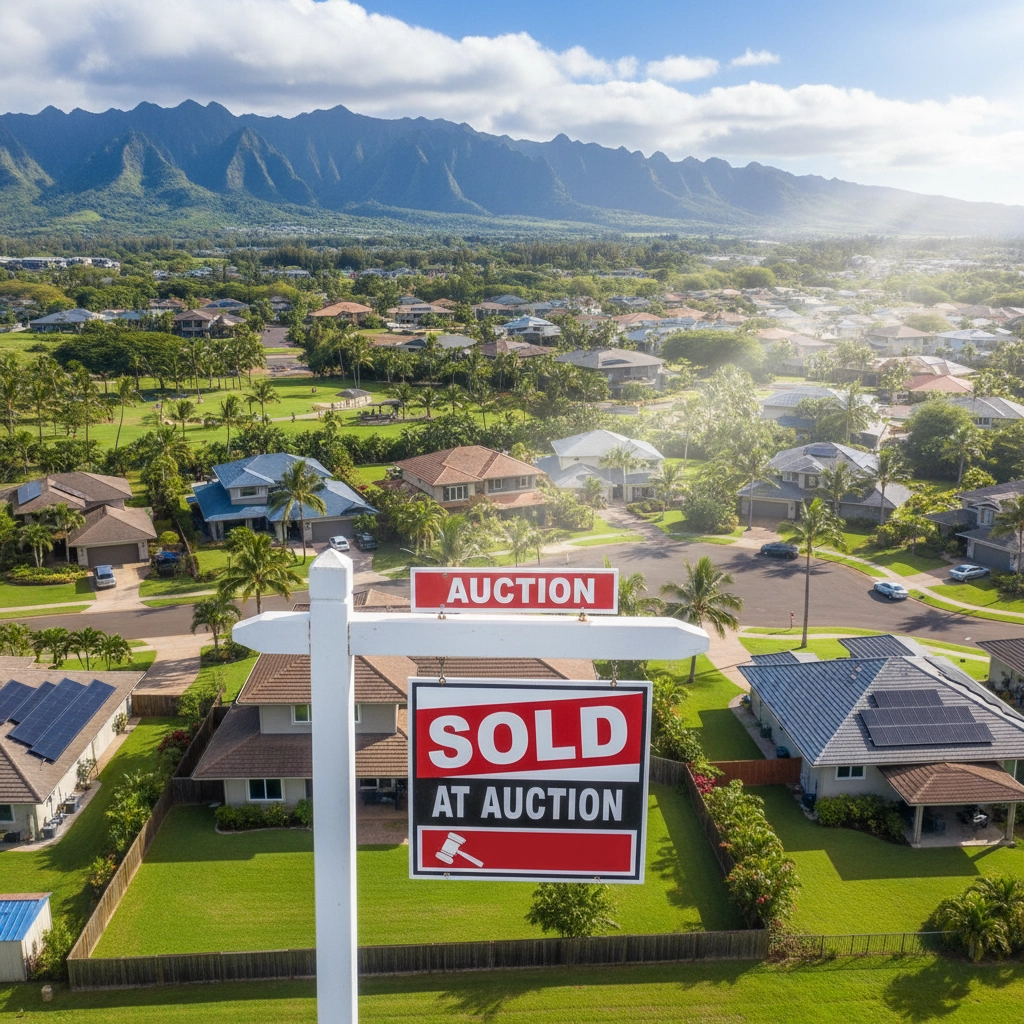
Asset recovery is the broader process of reclaiming money that belongs to you from any of these auction types. It's not a separate type of auction – it's the service that helps you navigate the complex process of claiming your surplus funds.
The Recovery Process Step-by-Step
Step 1: Verification
First, you need to confirm that surplus funds actually exist from your property sale. Many homeowners don't even realize they're entitled to money.
Step 2: Documentation
You'll need to provide proof that you were the legal owner of the foreclosed property. This typically includes:
- Deed records
- Mortgage documents
- Property tax records
- Valid identification
Step 3: Filing Claims
Complete and submit claim forms to the trustee or court handling the surplus funds. Each jurisdiction has different requirements and deadlines.
Step 4: Court Proceedings
Depending on your location and the amount involved, you may need to attend a court hearing to prove your right to the funds.
Timeline and Deadlines: Why Acting Fast Matters
Here's something crucial: you typically have a limited window to claim your surplus funds. In Hawaii, this deadline varies by county and type of sale, but it's usually between 1-3 years from the date of sale.
Once surplus funds are deposited with the court, the actual recovery process takes an average of 30-45 days. However, if you miss the deadline entirely, those funds could become property of the state.
The Real Difference: DIY vs Professional Asset Recovery
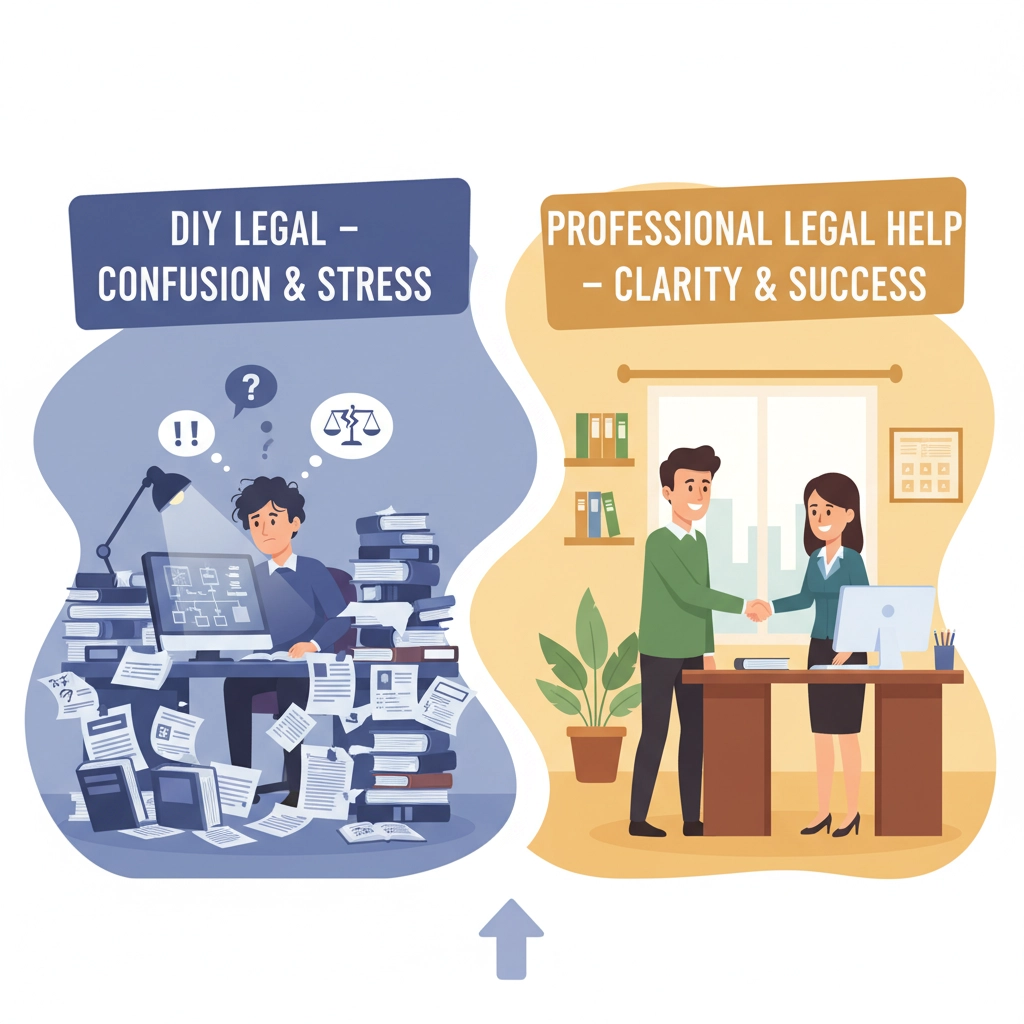
The main comparison isn't really between surplus funds and asset recovery auctions – it's between handling the recovery process yourself versus working with professionals.
Going It Alone
Pros:
- Keep 100% of recovered funds
- Learn the process firsthand
- No upfront costs
Cons:
- Complex paperwork and legal requirements
- Risk of missing deadlines
- Time-intensive research and follow-up
- No guarantee of success
Professional Asset Recovery Services
Pros:
- Expertise in navigating complex legal processes
- Higher success rates
- No upfront costs (typically paid from recovered funds)
- Handle all paperwork and court appearances
Cons:
- Service fees typically range from 20-30% of recovered funds
- Less direct control over the process
Red Flags to Watch Out For
Unfortunately, some unscrupulous companies try to take advantage of people in these situations. Here's what to watch for:
- Demands for upfront fees (legitimate recovery services work on contingency)
- Pressure tactics or claims that "time is running out today"
- Guarantees of specific dollar amounts without reviewing your case
- Lack of proper licensing or credentials
Success Stories: Real Money for Real People
Many Hawaii residents have successfully recovered thousands of dollars in surplus funds. For example, a Honolulu family recently discovered they were entitled to $45,000 from their foreclosed home's sale – money they had no idea existed.
Another couple in Maui recovered $28,000 from a tax deed sale, funds that helped them get back on their feet financially.
These aren't rare cases. With Hawaii's strong real estate market, many properties sell for significantly more than what's owed, creating substantial surplus fund opportunities.
Taking Action: Your Next Steps
If you've experienced foreclosure or had property sold for unpaid taxes in Hawaii, here's what you should do:
Research Your Situation
Check with the trustee, county clerk, or court that handled your property sale to see if surplus funds exist.
Gather Your Documents
Collect proof of ownership, including deeds, mortgage papers, and tax records.
Understand Your Deadline
Find out exactly how much time you have to file a claim in your specific situation.
Consider Professional Help
For significant amounts or complex cases, working with experienced asset recovery professionals often makes sense.
The Bottom Line
Whether you call it surplus funds or asset recovery, the opportunity is real – and it could put substantial money back in your pocket. The key is acting quickly and understanding your options.
Don't assume that losing your property means losing everything. Many Hawaii homeowners are entitled to recovery funds they don't even know about.
Ready to discover if you're entitled to surplus funds from your foreclosed property? Contact Integrity Property Locators today for a free consultation. Our team has helped countless Hawaii residents recover money they thought was gone forever. There's no upfront cost, and we only succeed when you do.
Your financial recovery might be just one phone call away.
